The price of the ZKsync token, ZK, plummeted due to a security incident. Attackers used an airdrop distribution contract's admin account to mint a large number of unclaimed airdrop tokens and sell them on-chain. This incident not only exposed vulnerabilities in ZKsync’s contract management but also sparked widespread discussion about the security and reliability of Layer 2 technologies.
2026-04-01 01:43:52
Metis is reshaping the Layer2 growth narrative by focusing on AI infrastructure. Through the Metis SDK and LazAI protocol, it is building an “AI-native execution layer” and exploring new paradigms of on-chain AI data sovereignty and value distribution.
2026-04-01 00:59:54
Ed Felten, co-founder of Offchain Labs, shares his journey from academia and policy to blockchain entrepreneurship. He discusses the technical evolution of Arbitrum, the impact of Layer2 on the Ethereum ecosystem, and the long-term vision for the integration of blockchain and AI.
2026-03-31 19:23:54
The article explores how Aztec uses zero-knowledge proof technology to achieve privacy protection, analyzing a new approach for balancing privacy and transparency in blockchain technology.
2026-03-31 12:43:21
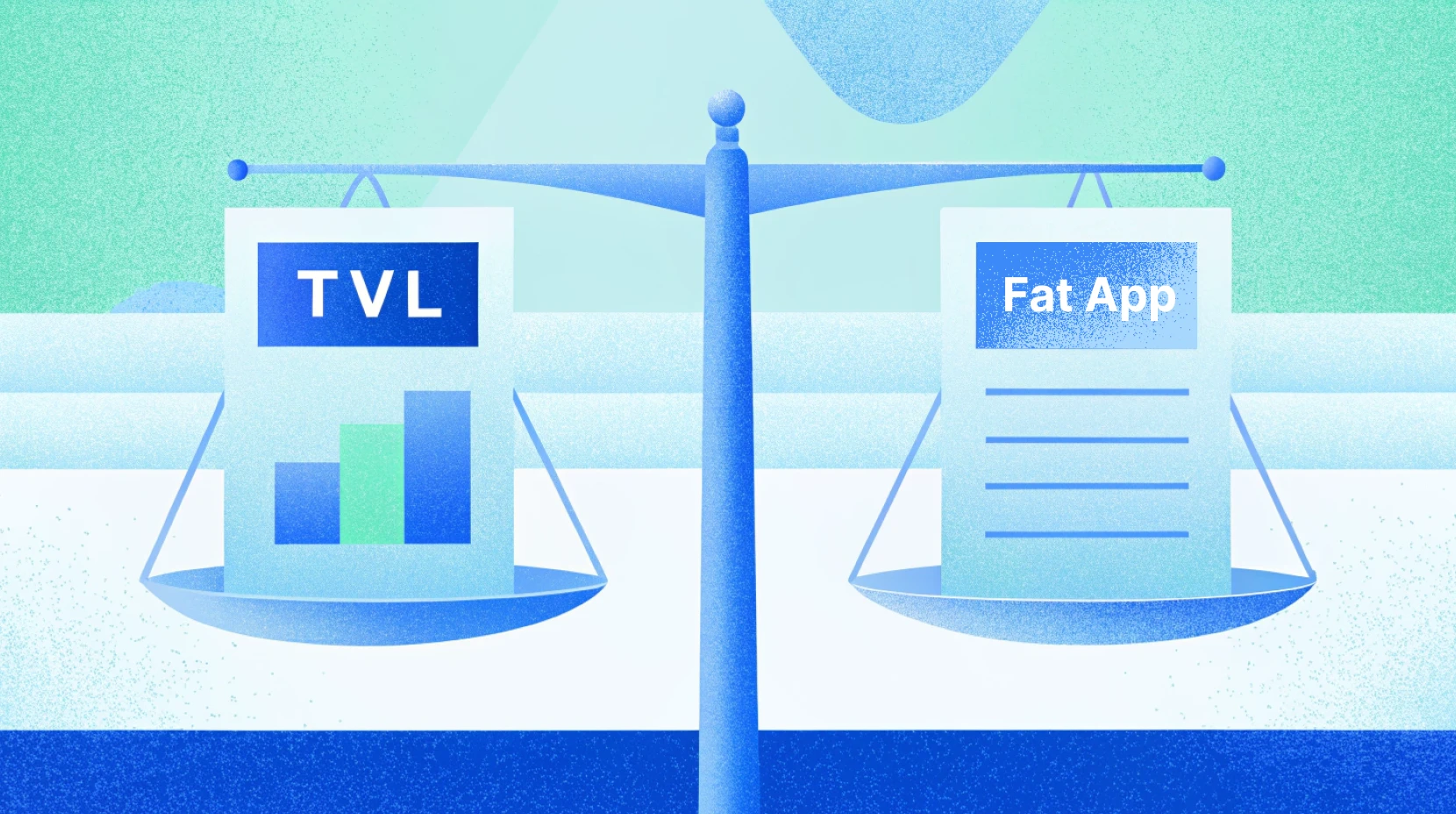
As L1 infrastructure becomes commoditized, the debate over the Fat protocol is giving way to the Fat application protocol. This report reveals why applications will dominate value capture, and how projects like Uniswap and Jupiter are reshaping the industry through independent chains and vertical integration.
2026-03-31 12:18:40
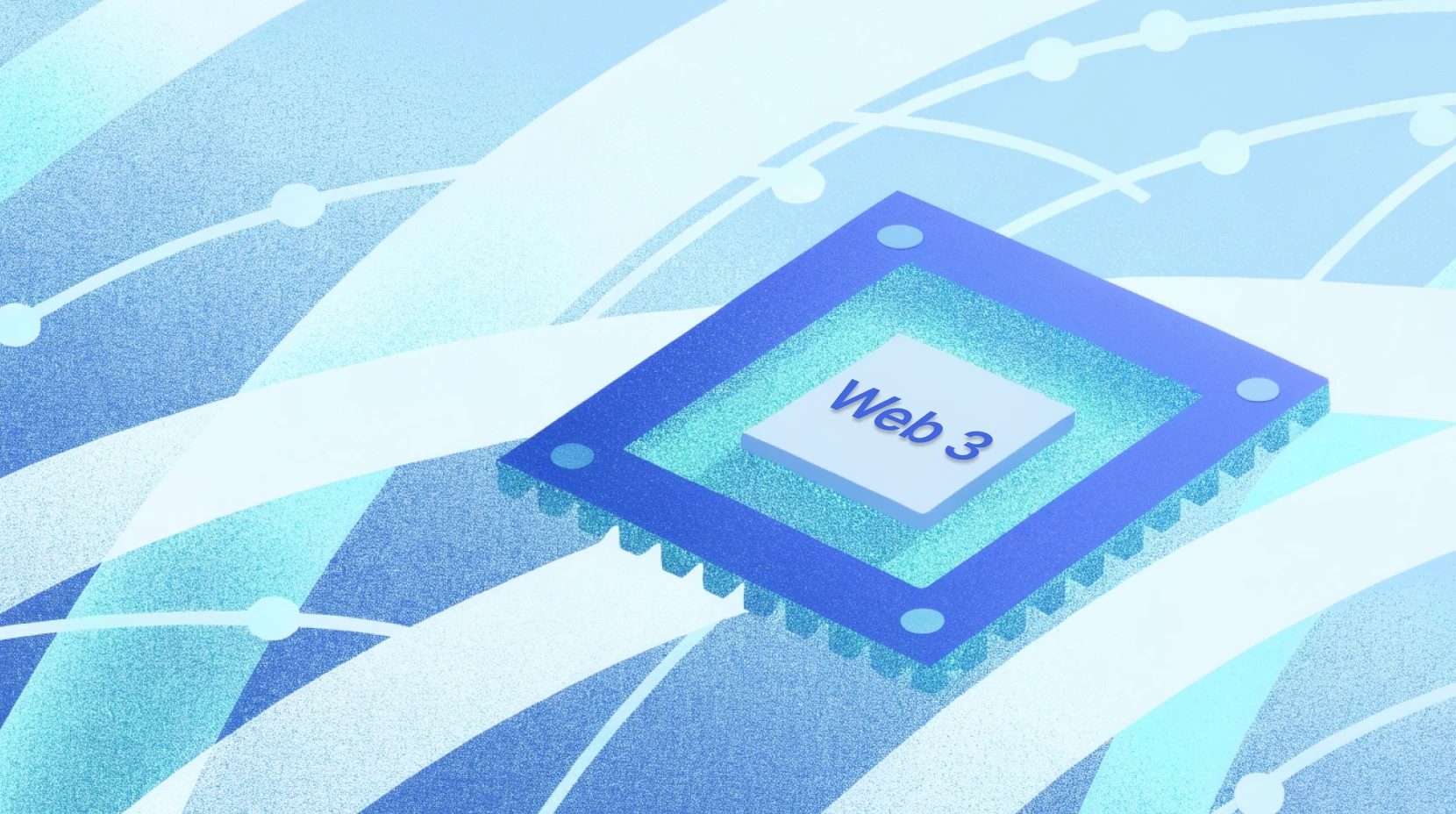
This article comprehensively outlines the scalability paths of Web3 parallel computing, covering mainstream architectures such as Monad, MegaETH, Sui, and Solana. It reveals the key design concepts and development trends of the next generation of high-performance blockchains, from account-level and object-level to the Actor model.
2026-03-31 09:28:04
Sophon is a Validium Layer 2 network built on the zkSync Elastic Chain, dedicated to creating a Web3 consumption application ecosystem aimed at ordinary users, covering scenarios such as gaming, socializing, and AI.
2026-03-31 07:05:00
Gas fees hit a new low, L1 is back in the spotlight, is L2 still necessary? This article focuses on the Based Rollup architecture, analyzing how it leverages the Ethereum mainnet to achieve decentralized ordering and higher security.
2026-03-31 06:07:00
Fogo is redefining the design paradigm of high-performance blockchains by introducing a unified client architecture, multi-region consensus mechanism, and a performance-based validator incentive system—all aimed at addressing the core demands of on-chain institutional finance for high speed and stability. This article provides a comprehensive analysis of its architectural logic, incentive model, and market positioning.
2026-03-31 05:01:21
Although Layer 2 (L2) plays a crucial role in innovation and economic progress, excessive reliance on L2 may undermine the network effects of Ethereum's Layer 1 (L1). The article proposes the concept of Supersonic Rollup, a native Rollup design that combines data availability, execution, and sequencing, aiming to enhance rather than weaken Ethereum's network effects.
2026-03-31 04:49:41
Although L2 plays an important role in innovation and economic advancement, over-reliance on L2 may weaken the network effect of Ethereum Layer 1 (L1). The article proposes the concept of ultrasonic Rollup, which is a native Rollup design that combines data availability, execution, and ordering, aiming to enhance rather than weaken Ethereum's network effect.
2026-03-31 04:48:08
This article provides a detailed analysis of Zircuit's technical architecture, including its construction based on the OP Stack Codebase, Sequencer-level security enhancements, Modular Proof systems, and innovations such as AI integration. The article also explores the background of Zircuit's collaboration with Eigenlayer, revealing its differentiated competitive advantages in the Layer 2 space.
2026-03-31 04:35:55
As the Linea airdrop approaches, its economic model and ETH-first mechanism are drawing strong interest from the market. Leveraging a dual deflationary engine, native staking, and the reinvestment of its ecosystem fund, Linea is striving to become a value-enhancing extension for Ethereum, redefining the dynamics between L2 and L1.
2026-03-30 01:39:47
A comprehensive analysis of how Arbitrum, starting with $350 million, has strategically built out its RWA ecosystem and expanded into on-chain bonds, stablecoins, and cross-border financial markets, exploring the next wave of wealth opportunities.
2026-03-29 16:21:15
At BaseCamp 2025, Base introduced its initial exploration of a network token and announced the launch of a cross-chain bridge with Solana along with several developer tools, marking another step toward becoming a global onchain economic hub.
2026-03-29 01:23:16